

Why CISOs struggle to see risk clearly across fast-growing digital environments
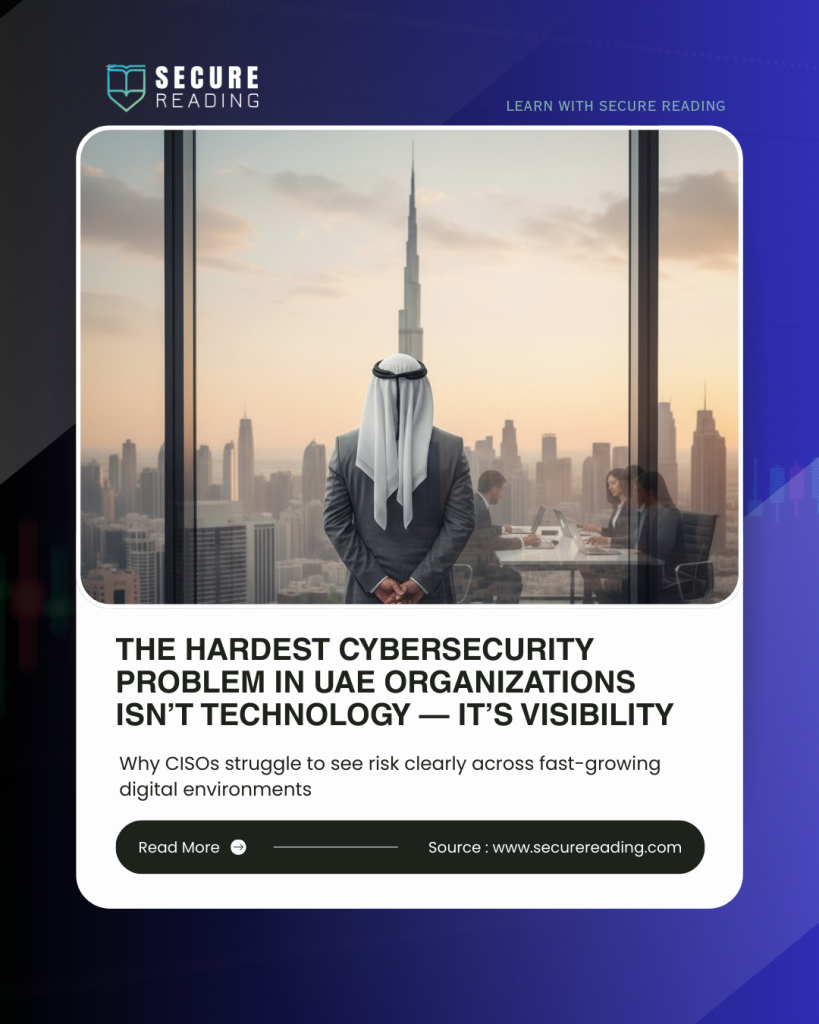
Many UAE organizations invest heavily in cybersecurity platforms and tools. However, CISOs often face a deeper issue that technology alone cannot resolve: limited visibility across complex and evolving environments.
As organizations expand into cloud services, third-party platforms, and remote access models, security views become fragmented. Logs sit in separate systems. Assets change faster than inventories update. Meanwhile, access privileges accumulate quietly over time. As a result, answering a simple question during an incident becomes difficult: what is actually exposed right now?
For CISOs, this lack of clarity slows response and increases operational pressure. When alerts surface, teams must first determine which systems are critical, which users are involved, and which data carries real risk. Without unified visibility, valuable time disappears before containment even begins.
In addition, many UAE organizations operate across regions, partners, and regulatory environments. Each expansion introduces new vendors, tools, and integrations. Over time, security teams inherit complexity rather than intentionally design it. Consequently, visibility gaps emerge naturally, not because of neglect.
Leadership expects calm and confidence during cyber incidents. Therefore, CISOs must communicate impact, scope, and next steps clearly. That confidence depends far more on visibility than on the sheer number of security tools deployed.
Organizations that address visibility early gain a measurable advantage. For example, they continuously map assets, centralize access monitoring, and reduce blind spots across cloud, endpoints, and third parties. This clarity enables faster decisions and steadier response when pressure is highest.
Ultimately, cybersecurity maturity today means seeing risk clearly before it turns into a crisis. For UAE organizations moving fast, visibility defines how effectively security leaders can protect both operations and trust.