

Bitcoin.org, a prominent website detailing the Bitcoin cryptocurrency, was hacked by attackers posting a double your cash scam.
- Scammers have exploited Bitcoin.org with a popup message appearing on the site offering a giveaway.
- The fake message asked visitors to send money to an address with a promise to double it.
- The scam collected $17,000 in small transactions before the site appeared to take offline.
Bitcoin.org, a prominent website detailing the Bitcoin cryptocurrency, was hacked by attackers posting a double your cash scam.
On September 23, the home page of bitcoin.org greeted with a popup, asking them to send crypto to a Bitcoin wallet through a QR code and receive double the amount in return.
"The Bitcoin Foundation is giving back to the community! We want to support our users who have helped us along the years," prompting users to send Bitcoins to the attacker's displayed wallet address.
"Send Bitcoin to this address, and we will send double the amount in return!"
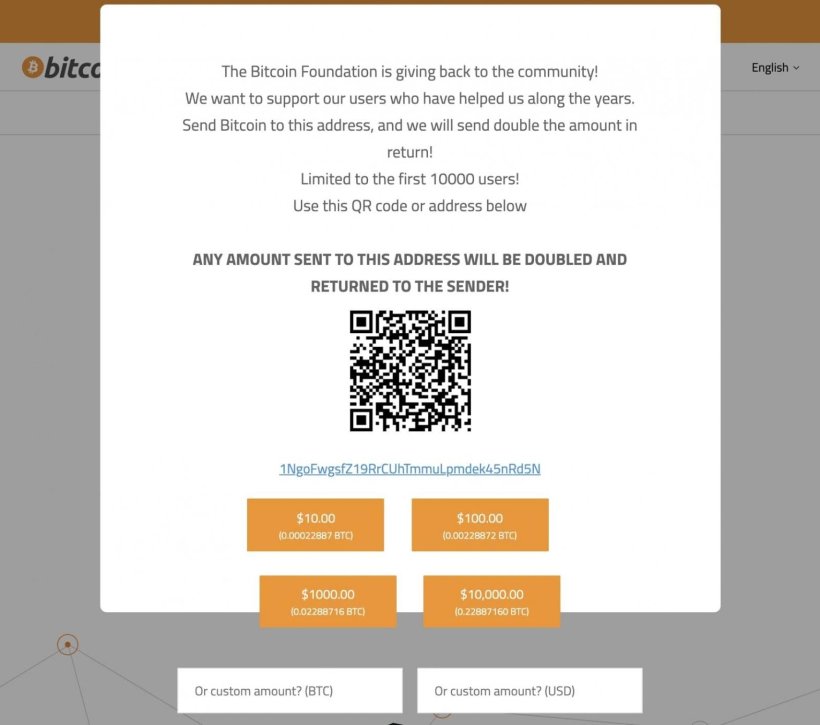
Further, the fake message told visitors that the offer was limited to the first 10,000 users to add appeal to the claim. Users couldn’t click past the fake popup message, making the rest of the website inaccessible for the duration of the scam.
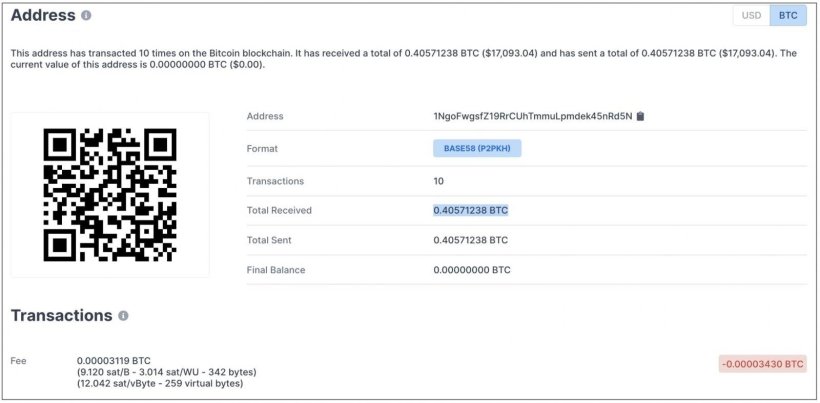
The Bitcoin address used in the scam obtained 0.40BTC worth $17,000. The hacker moved almost all of the funds out of the main wallet and into two other holding wallets.
Although Bitcoin is assumed to be created by a pseudonymous identity, "Satoshi Nakamoto,” the author of the research paper that gave birth to the cryptocurrency, a newer identity “Cøbra”, is lately seen managing the Bitcoin.org website, social media, and community channels.
According to Bitcoin.org's pseudonymous operator CobraBitcoin, the scammers may have exploited some flaw in the website’s domain name system (DNS) and gained unauthorised access. Hackers usually crawl websites to spot underlying vulnerabilities that can be used to organise attacks.
After being taken down to analyse the root cause of the security breach, the website has now been restored to its pre-hack status.
For the latest cyber threats and the latest hacking news please follow us on Facebook, Linkedin, and Twitter.
You may be interested in reading: How to Survive the COVID Time Cyber Security Threats?